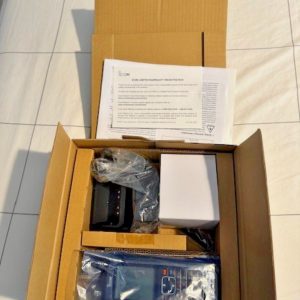
:::writingvariant="document" id="58314" ICOM IC-A25N Handheld NAV/COM Transceiver w/ Bluetooth – Open Box: Portable Aviation Radio The ICOM IC-A25N Handheld NAV/COM Transceiver w/ Bluetooth – Open Box is designed for aviation users seeking a capable portable radio that can support communication and navigation-related operations. For budget-conscious pilots, an open-box radio may provide a practical balance between modern functionality, reliable construction, and competitive purchase value. The ICOM IC-A25N Handheld NAV offers a flexible option for private pilots, commercial operators, instructors, aviation students, and support personnel. The ICOM IC-A25N Aviation Radio offers portable flexibility for aircraft owners who do not want to rely exclusively on panel-mounted communication equipment. The ICOM IC-A25N Handheld Radio can be carried conveniently in a flight bag, stored as backup cockpit equipment, used during preflight activities, or assigned to aviation personnel who require portable communication. A capable Handheld NAV/COM Aviation Transceiver provides pilots with an integrated solution that can be stored conveniently and accessed quickly. Whether the device will function as a Handheld Aviation Radio, Aviation NAV/COM Radio, Pilot Handheld Radio, or Aircraft Communication Radio, users should become familiar with its controls before relying on it. The unit may also serve as a Portable Aviation Transceiver, Aviation Communication Device, Handheld Aircraft Radio, Aviation Navigation Radio, ICOM Pilot Radio, Emergency Aviation Radio, or Backup Aircraft Radio for appropriate aviation applications.
Why Pilots Choose the ICOM IC-A25N Handheld Radio
The radio’s portable construction allows it to support aircraft operations before departure, during flight, after landing, or while personnel are working around the airport. Its practical value comes from combining mobility, recognizable controls, aviation-focused operation, rechargeable power, and multiple communication or navigation functions. Users should understand that portable-radio coverage can differ from panel-mounted equipment connected to an external aircraft antenna. Training with the device can reduce delays and confusion when rapid communication becomes necessary.ICOM IC-A25N Handheld NAV Applications
The portable design allows pilots to become familiar with radio functions outside the aircraft before using the device in a busy operational environment. Aircraft owners may keep the radio available when maintenance temporarily removes power from installed communication equipment. The handheld radio should be operated according to the manufacturer’s instructions and integrated responsibly into the pilot’s overall workflow. Organized cockpit placement improves access while protecting the radio from impact, movement, moisture, and accidental activation.Benefits of an ICOM IC-A25N Aviation Radio
Aviation professionals can carry the IC-A25N when moving between aircraft instead of depending entirely on equipment installed in one cockpit. Flight instructors can use the device as supplemental equipment during ground lessons, aircraft walkarounds, and selected training exercises. Current photographs should show the radio body, display, controls, connectors, antenna, battery, charger, packaging, and included components. Testing should occur in a lawful and appropriate manner without creating unauthorized transmissions or interfering with aviation communications.Portable Benefits of the ICOM IC-A25N Handheld Radio
The ICOM IC-A25N Handheld Radio offers portable access to aviation communication functions without requiring permanent aircraft installation, wiring, panel space, or structural modification. Pilots should protect the radio with a suitable case or organized storage compartment to reduce the risk of impact, moisture, connector damage, or accidental control activation. Pilots can practice with the radio at home or in a classroom while following the applicable manual and operating guidance. A portable radio should not be left in extreme heat, direct sunlight, freezing conditions, or damp environments for extended periods.Handheld NAV/COM Aviation Transceiver Benefits
The integrated format can reduce the need to carry separate handheld receivers for several common aviation tasks. Buyers should compare interface design, battery options, charging arrangements, antenna quality, accessory availability, display readability, audio performance, and operational needs. Users should keep the operating guide accessible until they can manage essential functions without hesitation. An equipment log may be helpful for flight schools, shared aircraft, or aviation businesses where several users handle the same device.Maintaining a Handheld Aviation Radio
A handheld aviation device can support monitoring and communication activities from the cockpit, ramp, hangar, or operations office. Pilots should avoid assuming that an unused radio stored for years will operate correctly without battery care and periodic testing. Accessories such as approved headset connections or suitable external antenna arrangements may influence convenience and performance. Responsible communication protects aviation operations and helps users gain the full value of a professional handheld radio.Aviation NAV/COM Radio Functions
The IC-A25N can be carried across different aircraft, allowing one pilot to maintain familiarity with the same handheld controls. Menu familiarity, memory organization, display interpretation, audio control, and Bluetooth setup can improve efficient operation. The device is most effective when integrated into a disciplined aviation workflow rather than treated as a single solution for every situation. A structured preflight routine helps the Aviation NAV/COM Radio deliver reliable and practical support.Maintaining a Pilot Handheld Radio
A portable radio can remain with the pilot when changing aircraft, allowing consistent access to a familiar communication device. The device should remain accessible to the pilot without becoming a loose object or interfering with cockpit controls. A pilot should practice basic operations such as powering on, selecting a frequency, adjusting audio, transmitting appropriately, using memory functions, and checking battery status. Battery condition should be reassessed as the pack ages or shows reduced capacity, charging problems, unusual heat, or physical changes.Maintaining an Aircraft Communication Radio
An Aircraft Communication Radio supports communication between pilots, air traffic services, other aircraft, flight instructors, and authorized ground personnel. Clear communication depends on more than radio quality because users must understand procedures, frequencies, terminology, timing, and radio discipline. Understanding environmental limitations helps pilots choose the best practical location and operating method. The radio should be protected from impact, vibration, liquid exposure, extreme temperature, and damaged accessories.Portable Aviation Transceiver Applications
Portability is valuable when users need one radio across several airplanes, buildings, vehicles, or operational locations. An accessory checklist may be useful for businesses or flight schools that issue the radio to different users. Bluetooth capability can improve convenience by supporting compatible wireless audio arrangements and reducing the number of cables around the pilot or operating area. Bluetooth settings can be reviewed during preflight preparation and confirmed before the aircraft begins moving.Benefits of an Aviation Communication Device
A professional handheld radio may serve private pilots differently from flight schools, maintenance shops, airport staff, or commercial operators. The seller should explain the product’s status and disclose any evidence of use, missing materials, registration, or cosmetic handling. Equipment logs can improve accountability when several instructors, pilots, or technicians share one transceiver. Regular updates to operating procedures may be required when accessories, paired devices, aircraft assignments, or personnel change.Handheld Aircraft Radio for Cockpit and Ground Use
Ground teams may use appropriate handheld equipment during more info coordinated activities where aviation communication is required and authorized. Portable operation can improve flexibility at remote airfields or maintenance locations with limited infrastructure. The pilot should route headset cables or charging leads carefully and avoid creating loops that can snag controls or occupants. Consistent care helps a Handheld Aircraft Radio transition reliably between cockpit, hangar, ramp, and storage use.Using an Aviation Navigation Radio
Navigation functions can add value during training, planning, route familiarization, and backup preparation when used appropriately. A demonstration or careful manual review can help users understand displays, menus, stored information, and navigation-related controls. The device should become part of a layered navigation and communication strategy rather than the sole source of critical information. A radio that has not been used recently may require charging, configuration review, Bluetooth reconnection, and accessory inspection.Maintaining an ICOM Pilot Radio
Pilots may choose an ICOM Pilot Radio because they want one familiar handheld device for training, travel, cockpit backup, and ground operations. Accessories, manuals, packaging, warranty eligibility, and previous registration may affect the practical and commercial value of the radio. Aviation students may prioritize ease of learning, while experienced pilots may focus on backup capability, portability, and integration. Pilots should record serial information, purchase details, accessory inventory, battery condition, and any warranty documentation.Maintaining an Emergency Aviation Radio
Emergency value depends on the radio being charged, accessible, configured, and familiar to the pilot before a problem occurs. The radio should be positioned where it can be reached without searching through baggage during an urgent situation. The pilot should know how to operate the radio directly if a paired headset or wireless accessory fails. Any missing charger, antenna, adapter, cable, or battery concern should be corrected before the radio is relied upon.Backup Aircraft Radio Applications
A portable radio may also support communication when an aircraft is on the ground with its electrical system disconnected or undergoing avionics maintenance. Pilots should confirm charge status, antenna attachment, audio output, Bluetooth pairing, memory organization, and accessibility. The device should be placed where it can be retrieved quickly without interfering with flight controls or becoming a loose object. The handheld radio should support safe aircraft management rather than draw attention away from immediate flight responsibilities.Evaluating an Open-Box Aviation Radio
Connectors and charging contacts should appear clean, straight, secure, and free from corrosion or contamination. The seller should identify whether original packaging, manuals, warranty materials, and product registration documents remain available. Functional testing should include power-on behavior, charging, control response, display operation, speaker audio, microphone function where appropriately tested, and accessory recognition. The buyer should inspect the radio promptly after delivery and report any missing items, damage, or functional concerns according to the agreed terms.Protecting ICOM IC-A25N Reliability
The radio should be inspected according to usage frequency, storage duration, operating environment, and the importance of its backup role. Occasional-use radios should still receive periodic checks because batteries and electronic components can deteriorate during inactivity.- Review the complete package and remove the radio from backup service if physical or electronic condition is uncertain.
- Review essential controls on the ground so the radio can be operated confidently without unnecessary cockpit distraction.
- Use a protective case or dedicated flight-bag compartment so the radio remains accessible, complete, and free from damage.